

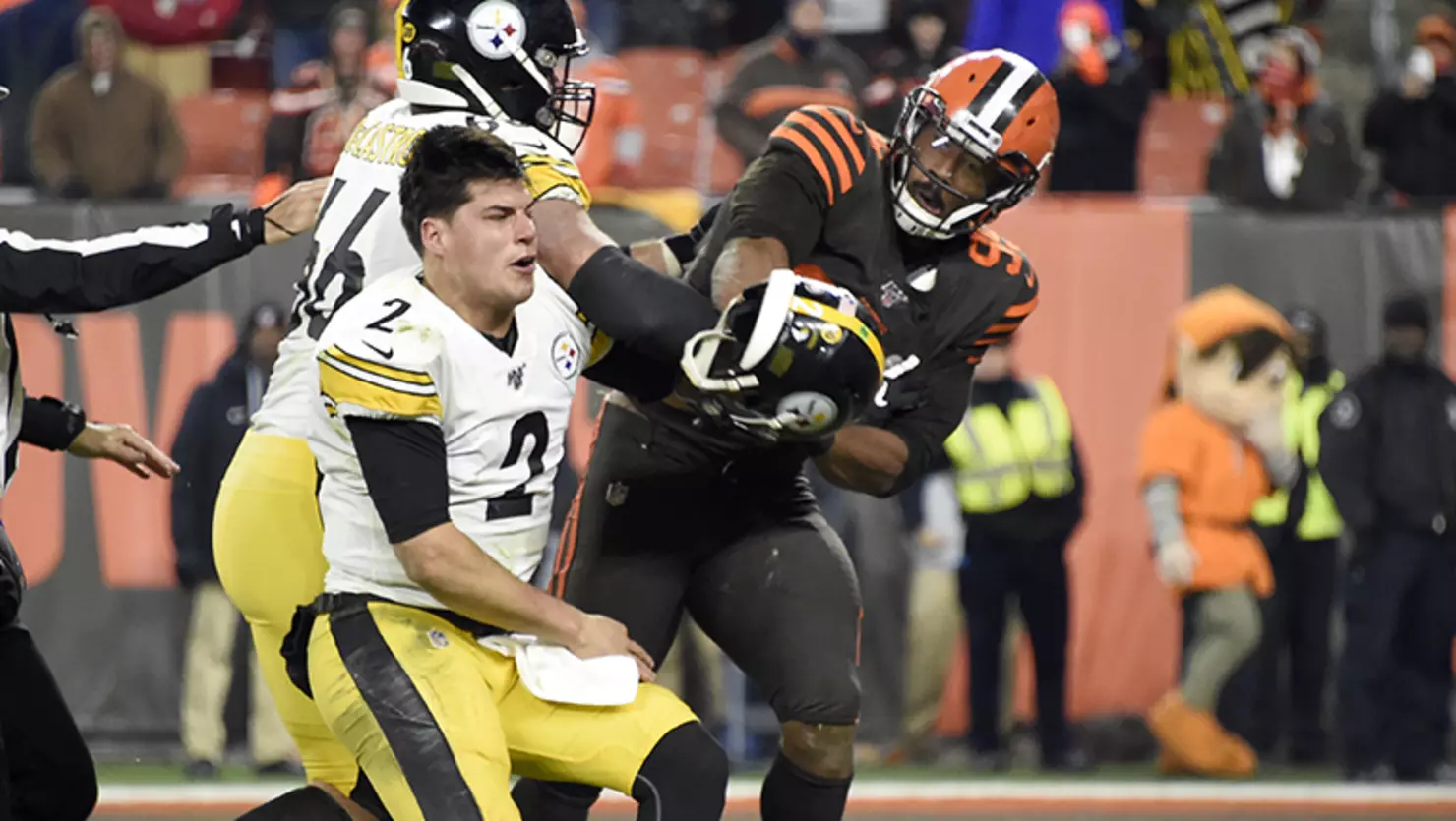
The Current State of the Steelers Quarterback Position
The Pittsburgh Steelers have been navigating a transitional phase with their quarterback roster, highlighted by a mix of established players and emerging talents. The evaluation of their current steelers quarterback cut has shed light on both their strengths and weaknesses, ultimately influencing the team’s strategies and potential cuts in the future.
At the forefront is the starter, who has provided a blend of experience and skill. With a solid track record, he demonstrates a keen ability to read defenses and make quick decisions, serving as a stabilizing force on the field. Critics, however, have pointed out instances of inconsistency, particularly in high-pressure situations, which has raised questions regarding his long-term viability as the franchise quarterback.
In contrast, the backup options are characterized by youth and raw potential. One notable prospect has shown bursts of brilliance in preseason performances, showcasing strong arm talent and mobility. However, his lack of experience at the NFL level presents a challenge, as he can often struggle with improvisation under pressure. The coaching staff remains optimistic about his development but recognizes the importance of real-time game experience.
Moreover, the Steelers’ offensive strategy emphasizes a balanced approach, with an increased focus on both the running game and vertical passing opportunities. This framework aims to alleviate some pressure on the quarterbacks, allowing them to thrive within a more supportive system. Given these dynamics, the team has carefully evaluated their current roster, leading to considerations surrounding potential cuts. Balancing performance output with the long-term vision for the quarterback position will be pivotal as the Steelers strive for success in the forthcoming seasons.
Historical Context: Quarterback Cuts in Steelers History
The steelers quarterback cut, a franchise with a storied history in the National Football League, have seen numerous quarterback cuts that have defined not only their roster but also the trajectory of the team itself. One of the most notable cuts occurred in 2004, when the Steelers decided to part ways with quarterback Tommy Maddox. After a promising 2002 season, Maddox struggled to maintain his performance, leading to the procurement of rookie quarterback Ben Roethlisberger, who would become a franchise cornerstone.
This decision was pivotal as it marked the transition from a struggling veteran to a young talent, ultimately shaping the team’s success in the mid-2000s. Roethlisberger would lead the team to multiple Super Bowl victories, showcasing the significant impact that a quarterback cut could have on overall team performance.
Another memorable instance occurred in 2019 when the Steelers released veteran quarterback Landry Jones. Although not a starter, Jones was a key backup during tumultuous seasons. The cut signaled a shift in the franchise’s strategy, prioritizing younger talent like Mason Rudolph, particularly as the team navigated changes behind the center. Such decisions illustrate the delicate balance that the management must maintain, weighing experiences versus potential and how that impacts the Steelers’ long-term goals.
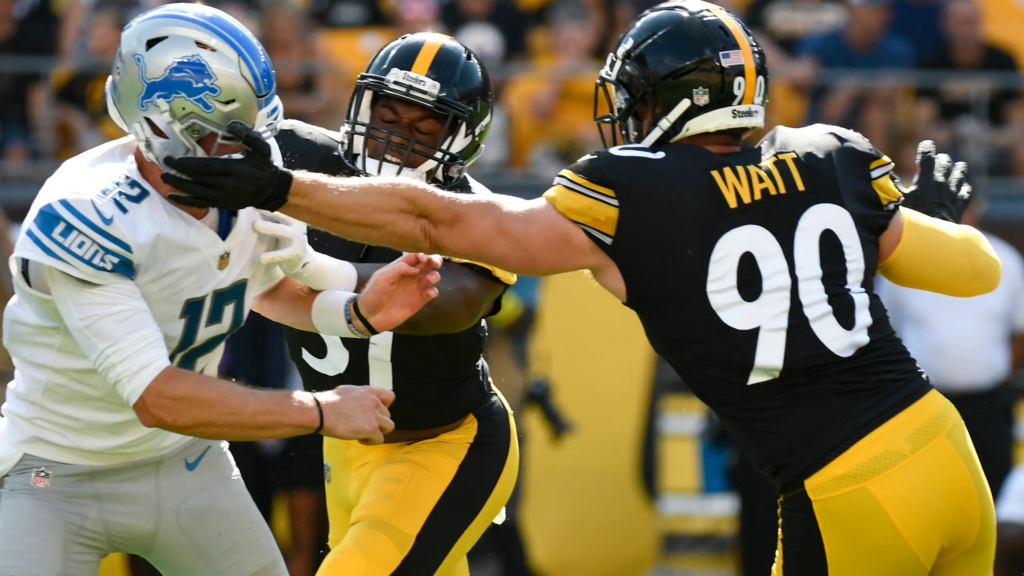
In examining these historical contexts, one can see that each quarterback cut not only reflects immediate team needs but also a vision for the future. Legacy players like Roethlisberger influenced the franchise’s decisions, underscoring the ongoing evolution of leadership roles within the organization. Understanding these past cuts offers crucial perspective as fans reflect on current roster decisions and the implications they may have for the Steelers’ legacy in professional football.
Analyzing the Factors Leading to a Steelers Quarterback Cut
The decision to cut a quarterback from the Pittsburgh Steelers roster is influenced by a myriad of factors that blend performance analysis, team dynamics, and financial considerations.
Performance metrics are often the primary basis for evaluating a quarterback’s viability. This includes not only traditional statistics such as passing yards and touchdown-to-interception ratios but also more nuanced data points like quarterback rating and situational performance under pressure. A quarterback who consistently underperforms may find themselves at risk of being cut, especially in a franchise with high expectations such as the Steelers.
Moreover, team needs play a crucial role in these decisions. The Steelers must consider what they require at the quarterback position, whether it’s a veteran presence to guide a young team or a starter who can change the game. As coaching strategies evolve, so too do the requirements for the player who will lead the offense. If a quarterback fails to fit the newly developed strategic mold, the team might opt for a change to better align with the coaches’ vision.
Salary cap considerations are another vital element. The NFL’s salary cap system places strict limits on team expenditures, making financial management crucial. Cutting a quarterback often frees up essential cap space that can be redirected toward strengthening other positions. Teams are sometimes faced with difficult decisions, weighing the potential cost of retaining a player against their on-field contributions.
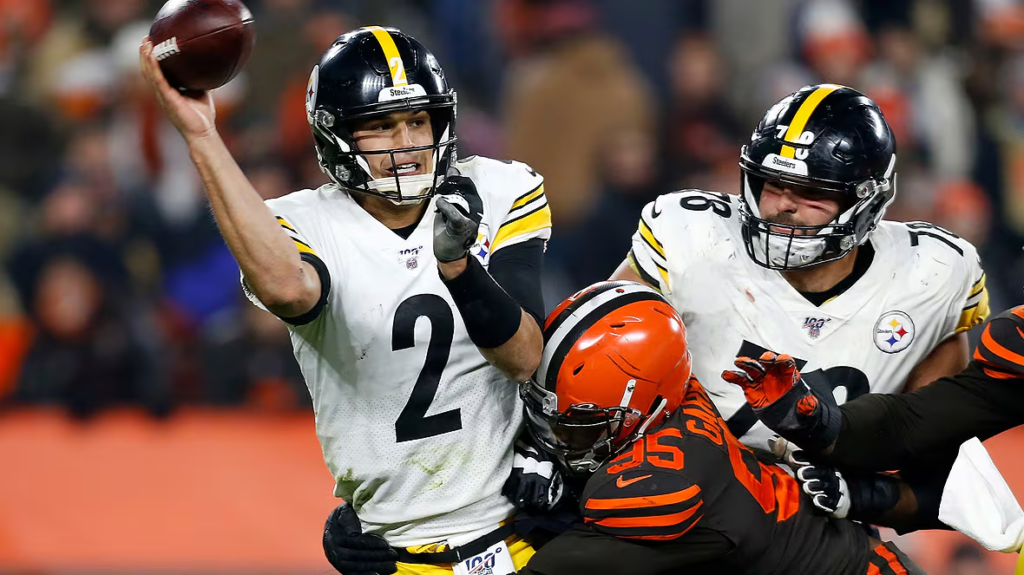
Lastly, potential trade opportunities can also influence the decision to cut a player. If the Steelers determine that a quarterback could bring significant value through trade, they might choose to cut them to capitalize on that potential. Expert analysis from sports commentators frequently highlights these multi-faceted dynamics, providing a deeper understanding of the complex nature of roster decisions within professional football.
Future Implications of the Steelers Quarterback Cut
The decision to implement a quarterback cut within the Pittsburgh Steelers organization can significantly reshape the future of the franchise. As the team navigates the complexities of player performance, salary caps, and strategic direction, understanding the ramifications of such moves becomes vital. The implications are manifold, starting with the immediate impact on team dynamics. In situations where a quarterback leaves, the organization must evaluate the chemistry among remaining players and the potential reshuffling of roles. Such adjustments can either strengthen the overall team cohesiveness or create instability, indicating the importance of careful planning post-cut.
Moreover, the search for a replacement steelers quarterback cut is a critical task that can dictate future team success. Prospective candidates may include current backups ready for a starter position or potential acquisitions from college drafts or free agency. Each of these alternatives presents its own set of advantages and challenges. The Steelers’ scouting department plays a crucial role in identifying talent capable of stepping into the role and leading the team effectively. Considering the legacy of past quarterbacks at the helm, there is heightened scrutiny on who will be selected to guide the team forward.
Furthermore, the Steelers must contemplate their long-term organizational direction as they adjust their roster. A quarterback cut can signal a rebuild phase, revitalizing the team’s vision and emphasizes a shift towards youth and potential. Fans might anticipate a blend of dynamic strategies focused on innovative play styles, aiming to catalyze future successes. Ultimately, it is up to the Steelers’ management to bolster their roster in a manner that not only addresses immediate needs but also paves the way for sustainable growth and competitive strength in the seasons to come, thereby ensuring a well-rounded approach to their quarterback strategy.
