


The Canada travel boycott has become a widely discussed topic among travelers, tourism experts, businesses, and policymakers. As travel patterns continue to change, many people are paying closer attention to how political decisions, economic conditions, border policies, and consumer opinions influence tourism choices. The growing conversation around the Canada travel boycott is not only affecting travel plans but also creating important discussions about international relationships and tourism spending. Travelers want clear information before making decisions, while businesses want to understand how changing visitor behavior may affect local economies. Understanding the reasons behind the Canada travel boycott can help travelers, tourism operators, and communities make informed choices while preparing for future travel trends and opportunities.
What Is the Canada Travel Boycott?
The Canada travel boycott refers to situations where travelers intentionally reduce or cancel trips to Canada because of political disagreements, economic concerns, government policies, exchange rate issues, or personal beliefs. Unlike normal tourism fluctuations, a boycott often involves a conscious decision made by groups of travelers. Some people participate because they want to express dissatisfaction with specific events, while others simply follow changing travel trends. The topic has gained attention through news coverage, social media discussions, and public debates. As a result, the Canada travel boycott has become an important issue within the tourism industry and among communities that depend heavily on visitor spending throughout the year.
Why Has the Canada Travel Boycott Gained Attention?
Several factors have contributed to increased interest in the Canada travel boycott. Political tensions between countries often influence consumer behavior and travel decisions. Economic uncertainty may also encourage travelers to choose destinations that offer lower costs or fewer travel restrictions. Social media platforms amplify these discussions, allowing opinions to spread quickly across large audiences. In many cases, a single news event can trigger widespread debate and influence future travel plans. Because tourism contributes significantly to local businesses, hotels, restaurants, attractions, and transportation services, any discussion involving the Canada travel boycott naturally attracts attention from industry leaders and government officials alike.
Major Reasons Behind the Canada Travel Boycott
The reasons for a Canada travel boycott vary depending on the group involved. Some travelers focus on government policies they disagree with, while others react to trade disputes or international political developments. Rising travel costs can also play a role. Exchange rates, airfare prices, hotel expenses, and overall vacation budgets influence destination choices. Some travelers may decide to spend their money elsewhere if they believe another destination offers better value. Personal experiences, media coverage, and public perception can further shape opinions. Together, these factors create a complex environment where travel decisions are influenced by both practical and emotional considerations.
How the Canada Travel Boycott Affects Tourism
Tourism is a major economic driver, and even small changes in visitor numbers can have noticeable effects. When discussions about the Canada travel boycott increase, some regions may experience fewer bookings at hotels, resorts, and vacation rentals. Tourist attractions may see reduced attendance during peak seasons. Transportation providers, including airlines and local transit services, can also feel the impact. While Canada remains a popular destination for millions of travelers, shifts in visitor behavior often encourage tourism organizations to adjust marketing strategies. The ability to respond quickly helps destinations remain competitive and continue attracting visitors despite changing travel trends.
Economic Impact of the Canada Travel Boycott
The economic effects of a Canada travel boycott can extend beyond the tourism sector. Local businesses rely on visitor spending for revenue and job creation. Restaurants, retail stores, entertainment venues, and tour operators often depend on a steady flow of tourists. If visitor numbers decline, communities may experience reduced economic activity. Small businesses are particularly vulnerable because they often operate with limited financial flexibility. However, domestic tourism sometimes helps offset international travel declines. Canadians traveling within their own country can support local economies and reduce the impact of fewer foreign visitors during periods of tourism uncertainty.
How Travelers Are Responding to the Canada Travel Boycott
Traveler reactions to the Canada travel boycott vary significantly. Some people continue visiting Canada because they value its natural beauty, cultural diversity, and welcoming communities. Others may delay trips until certain concerns are resolved. Travel decisions are highly personal and often depend on individual priorities. Budget considerations, safety perceptions, travel goals, and family preferences all influence destination choices. Many travelers conduct extensive research before making plans, comparing different locations and evaluating the benefits of each option. As a result, the Canada travel boycott affects different groups in different ways rather than producing a single uniform response.
Popular Canadian Destinations Still Attracting Visitors
Despite discussions surrounding the Canada travel boycott, many destinations continue to attract large numbers of tourists. Cities, national parks, coastal regions, and mountain destinations remain popular because of their unique experiences. Travelers often prioritize scenery, outdoor recreation, cultural attractions, and local hospitality over political debates. Families seek memorable vacations, while adventure travelers pursue hiking, skiing, wildlife viewing, and nature exploration. These motivations help sustain tourism activity even during periods of controversy. The continued popularity of many Canadian destinations demonstrates that travel decisions often involve a combination of practical considerations and personal interests rather than a single issue.
The Role of Social Media in the Canada Travel Boycott
Social media has become a powerful force in shaping public opinion about travel. Discussions related to the Canada travel boycott frequently spread through online platforms where users share experiences, opinions, and news articles. Viral posts can influence perceptions quickly, sometimes reaching millions of people within hours. Positive stories may encourage travel, while negative narratives can discourage potential visitors. Because travelers increasingly rely on online information, social media plays a significant role in tourism trends. Businesses and tourism organizations actively monitor these conversations to understand public sentiment and respond to changing consumer preferences more effectively.
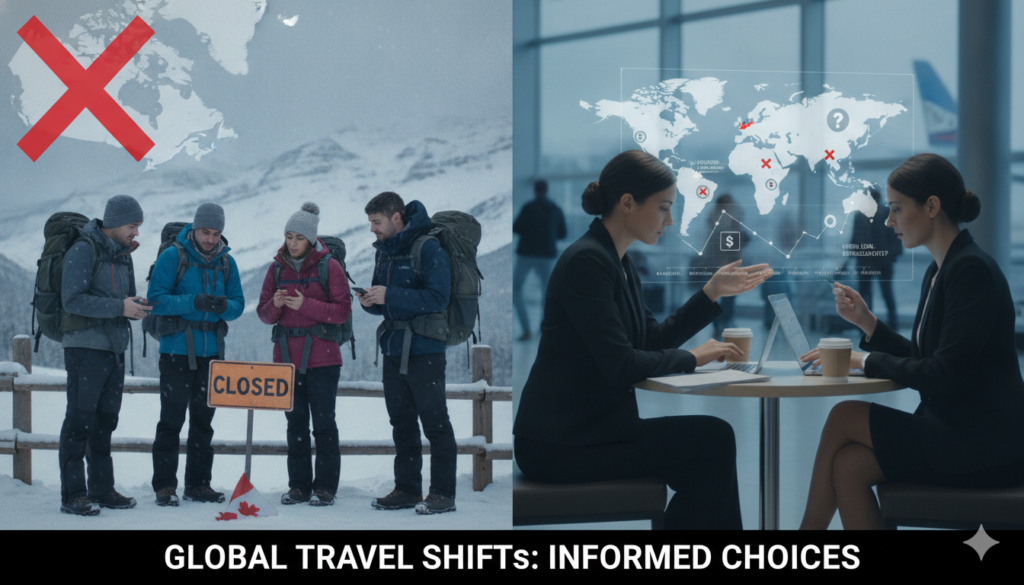
How Tourism Businesses Are Adapting
Tourism businesses continuously adapt to changing market conditions. During periods of increased discussion about the Canada travel boycott, companies often focus on customer experience, promotional offers, and targeted marketing campaigns. Hotels may introduce special packages, while attractions create new experiences designed to attract visitors. Businesses also invest in digital marketing to reach travelers directly and highlight positive aspects of their destinations. Flexibility is essential because tourism trends can change rapidly. By understanding customer concerns and responding proactively, businesses can strengthen visitor confidence and maintain competitiveness even when travel demand experiences temporary fluctuations.
Travel Trends Shaping Canada’s Future
The future of Canadian tourism depends on several evolving trends. Sustainable travel, remote work opportunities, outdoor recreation, and experiential tourism continue gaining popularity. Travelers increasingly seek meaningful experiences rather than traditional sightseeing alone. These trends may help offset some concerns associated with the Canada travel boycott. Tourism organizations are also investing in innovation, infrastructure improvements, and destination marketing to attract new visitors. By focusing on traveler preferences and emerging opportunities, Canada can continue building a strong tourism industry that adapts successfully to changing market conditions and consumer expectations.
Should Travelers Be Concerned About the Canada Travel Boycott?
For most travelers, the decision to visit Canada should be based on personal priorities and travel goals. The Canada travel boycott represents one factor among many that influence tourism choices. Travelers should evaluate current conditions, budget considerations, destination attractions, and personal interests before making plans. Reliable information from trusted sources can help individuals make informed decisions. Every traveler has unique expectations, and what matters most to one person may differ significantly from another. Careful research and thoughtful planning remain the best ways to ensure a positive travel experience regardless of broader tourism discussions.
Benefits of Making Independent Travel Decisions
One important lesson from the Canada travel boycott discussion is the value of independent decision-making. Travelers benefit when they gather information from multiple sources and evaluate destinations based on their own preferences. Personal travel experiences often differ from online debates or media narratives. Visiting a destination firsthand can provide valuable insights that cannot be gained through headlines alone. By focusing on individual travel goals, interests, and budgets, travelers can make choices that best meet their needs. Independent thinking encourages more meaningful travel experiences and supports informed decision-making in an increasingly connected world.
Canada Travel Boycott at a Glance
| Topic | Details |
| Main Issue | Reduced travel due to political, economic, or social concerns |
| Affected Sector | Tourism, hospitality, transportation, retail |
| Common Reasons | Policy disagreements, travel costs, public sentiment |
| Economic Impact | Reduced tourism spending and local business revenue |
| Traveler Response | Mixed reactions depending on personal priorities |
| Social Media Influence | High impact on public perception |
| Tourism Industry Action | Marketing campaigns and customer-focused improvements |
| Future Outlook | Adaptation through innovation and changing travel trends |
| Domestic Tourism Role | Helps support local economies |
| Key Consideration | Travelers should make informed personal decisions |
FAQs
1. What does Canada travel boycott mean?
A Canada travel boycott occurs when people intentionally avoid traveling to Canada because of political, economic, or social concerns.
2. Does the Canada travel boycott affect tourism revenue?
Yes. Reduced visitor numbers can affect hotels, restaurants, attractions, transportation providers, and local businesses.
3. Why do some travelers support a Canada travel boycott?
Reasons vary and may include policy disagreements, economic concerns, travel costs, or personal beliefs.
4. Is Canada still a popular travel destination?
Yes. Many travelers continue visiting Canada for its natural beauty, culture, outdoor activities, and tourism experiences.
5. How does social media influence the Canada travel boycott?
Social media spreads opinions, news, and personal experiences quickly, which can influence travel decisions.
6. Should travelers cancel trips because of the Canada travel boycott?
Travel decisions should be based on personal priorities, research, budget, and travel goals rather than public debates alone.
Conclusion
The Canada travel boycott remains an important topic within global tourism discussions. It highlights how travel choices can be influenced by politics, economics, public opinion, and personal values. While some travelers choose to participate in a boycott, many others continue exploring Canada and enjoying its diverse attractions. The tourism industry continues adapting through innovation, marketing, and improved visitor experiences. Ultimately, informed decision-making is the key to successful travel planning. By researching destinations carefully and considering personal priorities, travelers can confidently choose experiences that align with their goals while supporting responsible and meaningful tourism
