

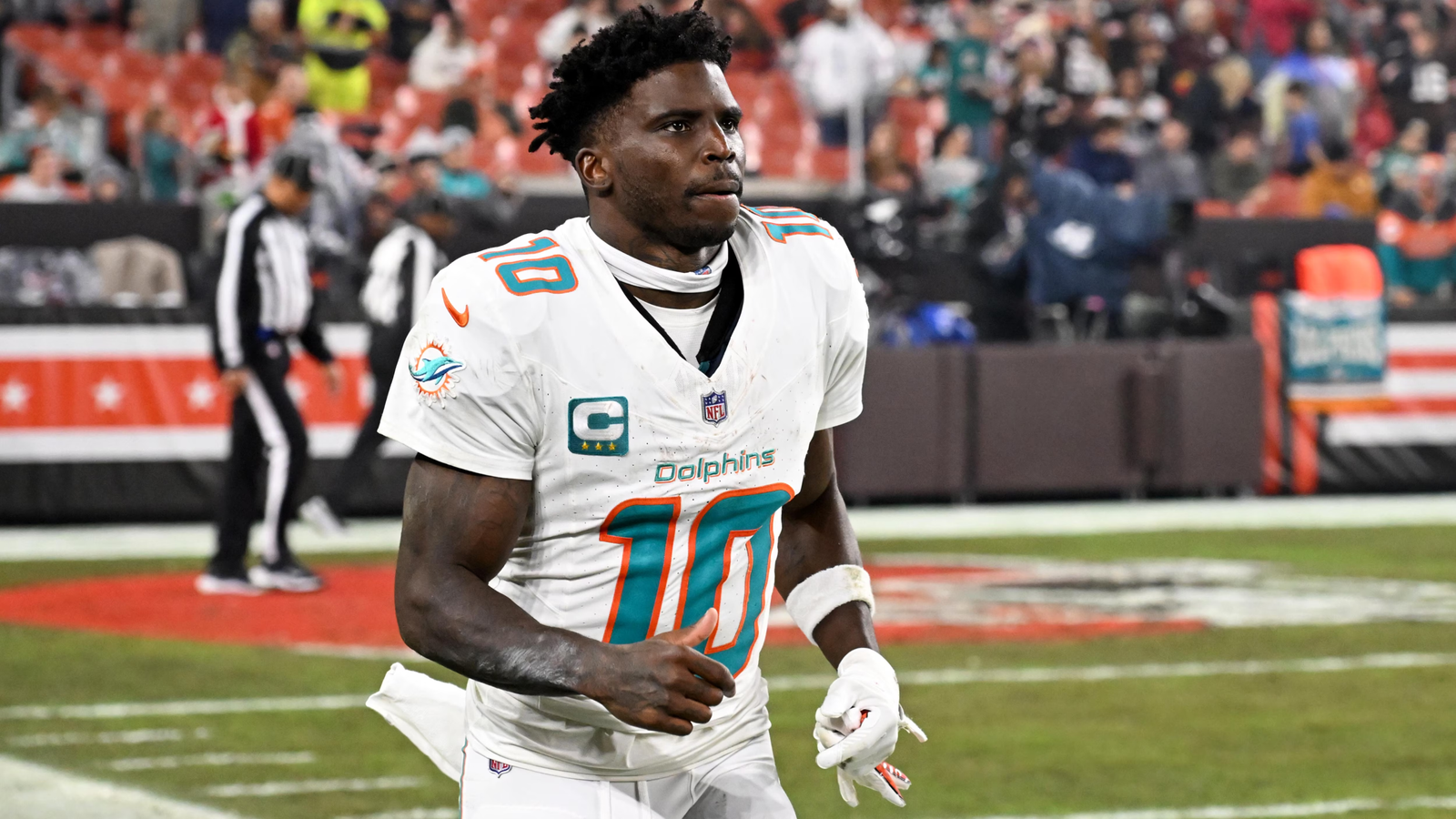
Understanding the Tyreek Hill Trade
The Tyreek Hill trade marked a significant moment in the landscape of professional football, particularly impacting the dynamics of the Kansas City Chiefs and the Miami Dolphins. Hill’s journey began with the Chiefs, where he quickly evolved into one of the premier wide receivers in the National Football League (NFL). Throughout his tenure with Kansas City, he amassed impressive statistics, including multiple Pro Bowl selections and a Super Bowl championship, playing a pivotal role in the team’s offense alongside quarterback Patrick Mahomes.
Leading up to the trade, various factors influenced the decision to part ways with Hill. Speculation arose from contract negotiations, performance expectations, and the Chiefs’ broader salary cap considerations. On March 23, 2022, the Chiefs agreed to trade Tyreek Hill to the Miami Dolphins in exchange for a package that included significant draft capital, specifically five picks, which underscored both teams’ strategic planning for the future.
For the Dolphins, acquiring Hill represented a considerable investment aimed at revitalizing their offensive capabilities. The addition of Hill, known for his unmatched speed and playmaking ability, was seen as a critical step in supporting their evolving offensive strategy under head coach Mike McDaniel. Furthermore, aligning Hill with quarterback Tua Tagovailoa built anticipation regarding the team’s potential performance in the forthcoming seasons. The motivations behind the Tyreek Hill trade were multifaceted, encompassing financial implications, team dynamics, and long-term goals for both franchises, thereby illustrating the complexities of player transactions in professional sports.
Breakdown of the Trade Details
The Tyreek Hill trade represents a significant maneuver in the NFL’s ever-evolving landscape. The Kansas City Chiefs, in a strategic move, dealt their star wide receiver to the Miami Dolphins in exchange for multiple high-value draft picks. Specifically, the Chiefs acquired a first-round pick, a second-round pick, and a fourth-round pick, along with a 2023 sixth-round pick. This trade not only highlights the value of an elite receiver like Hill but also illustrates the willingness of teams to invest heavily in either star players or lucrative draft capital to build their rosters.
From a salary perspective, Tyreek Hill is expected to command a substantial financial commitment. Upon his arrival in Miami, Hill signed a four-year contract extension worth approximately $120 million, including a $72 million guarantee, cementing his status among the highest-paid receivers in the league. This significant investment reflects both Miami’s aspirations to bolster their offensive capabilities and Hill’s proven track record as a game-changing athlete.

Contextually, the Tyreek Hill trade is emblematic of a broader trend within the NFL. Recent years have witnessed an increase in player movement, driven by the desire of teams to either rejuvenate their rosters or consolidate talent. With the rapid inflation of player salaries contributing to an urgent demand for skilled personnel, teams are compelled to make impactful decisions swiftly. The Chiefs’ strategy appears to focus on retooling their roster while gaining future assets, whereas the Dolphins are intent on surrounding their young quarterback with premium offensive talent, hoping to maximize his potential. This duality of objectives emphasizes the complex nature of trade transactions in the NFL, each reflecting particular strategic ambitions and fiscal responsibilities moving forward.
Analysis of the Trade’s Impact
The Tyreek Hill trade marks a significant shift in the landscape of the NFL, particularly affecting the dynamics and strategies of both the Miami Dolphins and the Kansas City Chiefs. Immediately following the trade, the Miami Dolphins gained an elite wide receiver known for his explosive speed and play-making abilities. Hill’s presence is expected to enhance Miami’s offense significantly, providing quarterback Tua Tagovailoa with a dynamic target who can stretch the field. This addition not only bolsters the Dolphins’ receiving corps but also poses a threat to opposing defenses, as they must now account for Hill’s unique skill set.
On the other side, the Kansas City Chiefs are left to navigate the aftermath of losing a key player who contributed to their recent successes, including a Super Bowl victory. While the Chiefs have other talented receivers at their disposal, the absence of Hill may necessitate adjustments in their offensive schemes. The coaching staff, led by head coach Andy Reid, may focus on distributing the ball more evenly among the remaining targets, likely leading to increased responsibilities for players such as Mecole Hardman or JuJu Smith-Schuster. This change can influence the overall offensive efficiency of the team, as adjusting to life without Hill could take time.

The trade has also stirred significant reactions from fans on both sides. Miami fans are optimistic, viewing Hill as a pivotal piece in their quest to return to playoff contention. Meanwhile, Chiefs fans may experience mixed emotions; although they must grapple with the loss of a fan favorite, they remain hopeful for the team’s future. They will be keen to see how the Chiefs reconfigure their offense. Ultimately, both teams are at critical junctures, as the long-term implications of the Tyreek Hill trade will continue to unfold, influencing coaching strategies, team chemistry, and overall performance in the seasons to come.
Future Expectations and Projections
In light of the recent Tyreek Hill trade, the outlook for both Hill himself and the teams involved presents numerous intriguing possibilities. With Hill transitioning to a new franchise, the immediate expectation surrounds how he will adapt to his new role and offensive system. As an explosive playmaker, his speed and agility are assets that can significantly alter the dynamics of the team. Analysts predict that Hill’s integration into the offensive scheme will not only heighten his performance metrics but also optimize the overall effectiveness of his comrades on the field. Given his historical performance, projections are that he will maintain, if not improve, his statistical output with the new playbook.
Furthermore, this trade raises questions about Hill’s legacy. Having established himself as one of the premier wide receivers in the league while with the Kansas City Chiefs, his continued success in a different environment will be critical to solidifying his status in NFL history. Will the new circumstances enhance his capabilities, or will they highlight the necessity of a specific system to extract the best from him? Tyreek Hill trade serves as a pivotal moment that could define his career trajectory.
Additionally, there are potential ripple effects throughout the league to consider. Other teams may be galvanizing their rosters in response to the Tyreek Hill trade, possibly leading to a flurry of activity in the trade market. This might inspire similar high-profile trades or motivate franchises to pursue aggressive strategies to bolster their own lineups. The entire league landscape could evolve as teams reassess their strategies based on the perceived implications of Hill’s new position. Ultimately, the ramifications of this trade reach far beyond Hill’s performance forecasts, suggesting a transformative phase for several franchises.
