

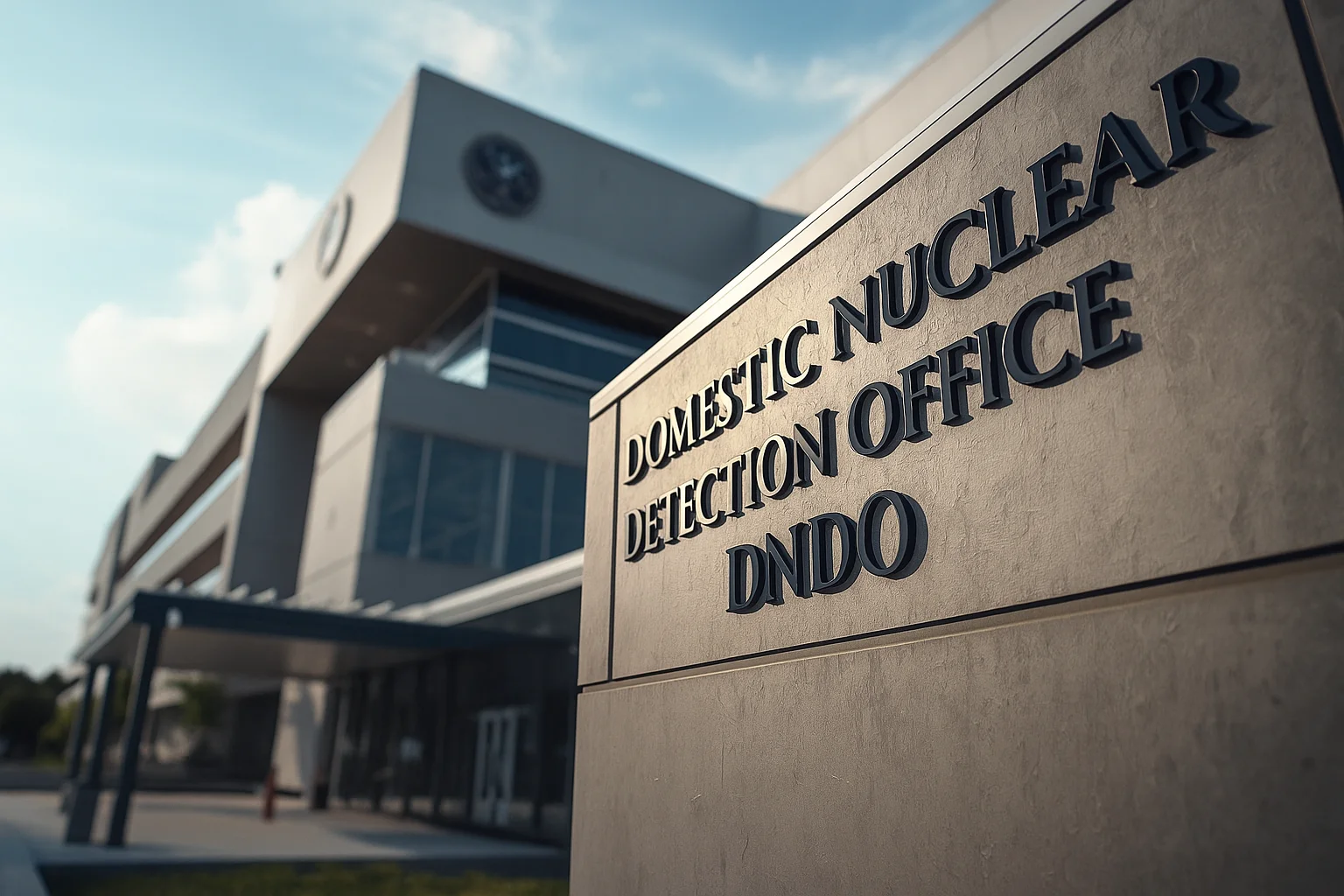
What is the Domestic Nuclear Detection Office?
The Domestic Nuclear Detection Office (DNDO) is a crucial component of the United States Department of Homeland Security (DHS), established in 2005 following the recommendations of the Security in Nuclear and Radiological Material Act. Its primary mission is to develop and implement a comprehensive strategy to detect and prevent unauthorized nuclear materials from entering the country. This focus on domesticnulceardetectionoffice is vital for ensuring the safety of citizens and critical infrastructure.
Operating within DHS, the DNDO coordinates efforts across federal, state, and local agencies, ensuring a cohesive and efficient approach to nuclear security. The office collaborates with agencies such as the Federal Bureau of Investigation (FBI) and the Department of Energy (DOE) to strengthen the national response to nuclear threats. By integrating intelligence, research, and operational capabilities, the DNDO plays a pivotal role in enhancing national security.
The organizational structure of the DNDO facilitates its core functions, which include detection, analysis, and response to potential nuclear threats. The office employs advanced technologies and methodologies to enhance nuclear detection capabilities, including radiation detection equipment and intelligence analysis tools. Additionally, the DNDO engages in outreach and training programs to equip law enforcement and emergency responders with the necessary skills to manage nuclear incidents effectively.
To further its mission, the domesticnulceardetectionoffice engages in international collaboration, sharing best practices and technology with global partners. This international approach enhances the overall effectiveness of domestic and global nuclear detection efforts, ultimately contributing to a safer environment for all. Through its dedicated efforts, the DNDO stands as a pivotal entity in the United States’ commitment to defending against nuclear terrorism and securing the nation’s future.
Key Initiatives and Programs of the DNDO
The DomesticNuclearDetectionOffice (DNDO) plays a vital role in safeguarding the United States from nuclear threats through various initiatives and cutting-edge programs. One of the key components of the DNDO’s strategy is the advancement of nuclear detection technologies. This includes the development of radiation detection systems that can effectively identify radiological and nuclear materials at key points of entry across the nation. By investing in innovative technology such as portable radiation detection devices and automated systems, the DNDO enhances the capabilities of first responders and law enforcement agencies to detect and respond to potential threats swiftly and accurately.
In addition to technology development, the DNDO actively fosters partnerships with a multitude of agencies, both domestically and internationally. By collaborating with organizations like the Department of Homeland Security, the FBI, and various state and local law enforcement agencies, the DNDO creates a cohesive network aimed at preventing the illicit trafficking of nuclear materials. This inter-agency cooperation ensures the effective sharing of best practices and intelligence, ultimately leading to a more robust national security infrastructure.

Training programs for detection officers represent another critical initiative within the DNDO’s framework. These programs are designed to equip personnel with the necessary skills to utilize detection instruments effectively and to recognize potential nuclear threats. Furthermore, community engagement efforts by the DNDO are crucial in fostering public awareness about nuclear security. Through educational campaigns, the DNDO informs the public about the risks associated with nuclear threats and the importance of reporting suspicious activities. These outreach initiatives not only cultivate vigilance among citizens but also reinforce the vital role that community participation plays in national security efforts.
Challenges Faced by the Domestic Nuclear Detection Office
The domesticnulceardetectionoffice (DNDO) plays a critical role in enhancing national security by detecting and preventing nuclear threats. However, the office faces numerous challenges that complicate its mission. Foremost among these are technological limitations. Despite advancements, the tools and technologies employed for nuclear detection can struggle to keep pace with emerging nuclear threats, which are becoming increasingly sophisticated. As radiological and nuclear materials become more varied in their potential for malicious use, the DNDO must continually adapt its technology to address these evolving threats.
Another significant challenge is funding constraints. The DNDO operates within a limited budget, which can restrict its operational capacity and the development of innovative detection capabilities. Adequate funding is essential not only for upgrading existing technology but also for research into new and more effective detection methods. The need for effective funding allocation becomes even more pressing in light of the high stakes involved in nuclear threat detection, where even a small lapse could result in catastrophic consequences.

The constantly evolving nature of nuclear threats presents an additional hurdle. As malign actors find new methods to exploit vulnerabilities in national security, the DNDO must remain vigilant and proactive. The office employs a variety of strategies to adapt to these challenges, including partnerships with other agencies and organizations, fostering research initiatives, and engaging in outreach programs that enhance situational awareness among other governmental and private entities. By implementing these strategies, the DNDO aims not only to respond to current challenges but also to anticipate future obstacles in the landscape of domestic nuclear detection.
The Future of Nuclear Detection in the United States
The landscape of national security continues to evolve, driven largely by an increasing array of complex nuclear threats. The DomesticNuclearDetectionOffice (DNDO) plays a pivotal role in safeguarding the United States from these threats, and its future endeavours will be critical in strengthening national resilience. As global dynamics shift, the DNDO must remain vigilant and proactive in its strategies.
One of the key trends influencing the future of nuclear detection is the proliferation of nuclear materials and technologies. The rise of non-state actors and changes in geopolitical relations necessitate advanced strategies for detecting illicit nuclear activity. In response, the DNDO is likely to enhance its partnerships with international organizations, leveraging collaborative intelligence and resources to anticipate and mitigate emerging risks.
Technological advancements will also shape the efficacy of nuclear detection in the coming years. Innovations in sensor technology, data analytics, and artificial intelligence are set to revolutionize how domestic agencies monitor and respond to nuclear threats. The integration of these technologies will allow for faster identification of potential risks and enhance situational awareness across multiple detection platforms. Continuous investment in research and development is essential for the DNDO to maintain and improve its capabilities.
Moreover, policy shifts will be crucial in adapting to changing nuclear landscapes. This may include adjustments to funding allocations, regulatory frameworks, and information sharing protocols amongst various governmental and private sectors. A comprehensive approach that encourages adaptability will be vital for ensuring the DNDO remains at the forefront of nuclear detection efforts.
Ultimately, the future of the domesticnulceardetectionoffice hinges on its commitment to innovation, collaboration, and strategic foresight. As global nuclear threats continue to evolve, so must the mechanisms to detect and counter them, reinforcing national security in an increasingly uncertain world.
